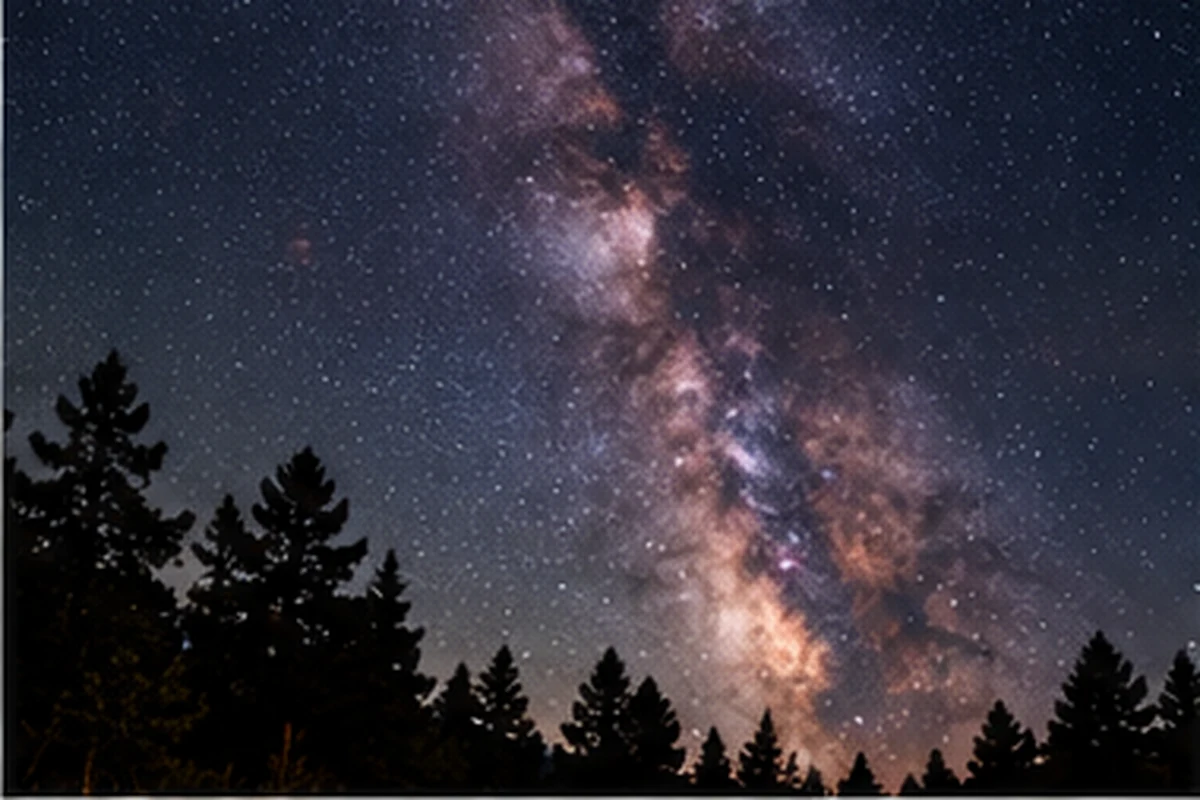
For a photographer who already owns a camera and wants to try the night sky, the best gifts are a solid tripod, a remote shutter release or intervalometer, a red headlamp and, if the budget stretches, a star tracker. Before you buy any of them, find out which camera body and lenses the person owns, because compatibility decides whether a gift gets used. A telescope is not on the list, and the reasons are below.
Check what they already own
Camera gear is full of near matches. A remote release that works with one body may not plug into another, and lens mounts differ by brand and by camera family. You do not need to quiz the person. Look at the camera and note the brand and model printed on it, then look at the lens for its focal length and maximum aperture. Take a photo of both and save it on your phone for shopping. If the camera is in a bag, the lens cap or the front ring often shows the lens name and its size, which is enough to search with.
It also helps to ask a partner, a friend or a camera club member what the person shoots most. Someone who shoots landscapes will already own a wide lens and a tripod, so you can spend on the tracker or remote release instead. Someone who mainly shoots portraits may need all of it.
If you cannot find out, choose gifts that do not depend on the camera at all: a tripod, a headlamp, a notebook. Add a gift receipt to anything else. Our gift guide for telescope owners follows the same split between gifts that fit any setup and ones that need a gear check.
Gifts that help from the first night
A sturdy tripod
Space.com's beginner astrophotography guide calls a tripod the one must-have, and it advises looking for smooth tilt heads, lockable moving parts and materials that reduce shake. Tamron's night-sky guide agrees that a sturdy tripod prevents blur in long exposures. A flimsy travel tripod that is fine in daylight can shiver in a breeze, so check what the camera and lens weigh against the maker's stated load rating before buying.
Check the maker's load rating against the camera and lens weight, and confirm that the head locks firmly.
A remote shutter release or intervalometer
Pressing the shutter shakes the camera. Both guides recommend a remote release or the camera's self-timer to avoid it, and Space.com notes that an intervalometer, which fires the shutter at set intervals for star trails, is optional because many modern cameras already have interval shooting built in. Check the camera's manual for the supported release type and whether interval shooting is already included before buying one. Our intervalometer category lists current searches.
Match the release to the camera model, and check whether the camera already has interval shooting built in.
A red headlamp
Space.com lists a headlamp among the basics, since it keeps your hands free in the dark. A light with a red mode keeps eyes adapted while the person sets up. Our red astronomy headlamp guide explains what to look for. A red mode is also easier on the eyes of other people shooting nearby.
A fast, wide lens, if you know the mount
Space.com suggests the fastest wide or super-wide lens the budget allows, roughly in the 12 to 35 mm range, with a wide maximum aperture. The catch is that the lens must match the camera's mount, so this is a gift to buy only when you are sure of the body. A used lens from a reputable seller is a common way to get a faster lens for less, as long as the seller shows clear photos and states the mount.
A bigger gift: a star tracker
Stars drift across the frame during a long exposure. A star tracker is a small motorised mount that turns the camera to follow the sky, which allows longer exposures than a fixed tripod. It is the most useful astrophotography accessory for someone who already shoots with a camera and lens, and it is more involved than the gifts above. The maker's stated payload has to cover the camera and lens together, and the tracker has to be aligned to the celestial pole following the maker's instructions. Our star tracker buying guide explains the specifications to compare, and a used tracker can be a good value if you inspect it.
Check the maker's stated payload against the camera and lens, and confirm that any used unit includes its mount parts and cables.
Three ways to put it together
- The curious beginner: a tripod, a remote release and a red headlamp, with a note suggesting a trip somewhere dark. This kit works with almost any camera that has manual controls.
- The photographer who already has a wide lens: the same kit plus a printed planisphere or star chart so they know what to point at, from our non-owner gift list.
- The ambitious one: a star tracker with a sturdy tripod, once you have checked the payload against their camera and lens. Include the gift receipt and the seller's return terms.
Used gear is a reasonable way to stretch the budget on tripods, trackers and lenses, as long as the listing shows clear photos, states the model and lists what is included. Ask the seller about anything the photos do not show, and check the return terms before you pay.
What to hold off on
A telescope. It is a different hobby from camera-and-lens work, with a mount, alignment and adapters to learn. If the person is curious, a wide-field set-up with a tripod and a lens is the gentler start, and a telescope can follow.
A T-ring or camera adapter. These connect a camera to a telescope and are made for a particular camera lens mount, so they only help once there is a telescope. Our T-ring guide covers them when the time comes.
Filters and tracking accessories that depend on specific lenses. Hold them until you know the gear.
Set expectations for the first night
The two guides agree on the basics, and sharing them makes the gift more useful. Switch the lens to manual focus, use live view and zoom in on a bright star until it looks as small and sharp as possible. Space.com also advises shooting RAW so there is room to adjust the image later. Longer focal lengths show stars trailing sooner, so exposure times get shorter as the focal length rises. Tamron also suggests turning off lens stabilisation on a tripod and taping the focus ring once set.
A planned dark-sky trip helps more than any gadget. Our DSLR astrophotography and mirrorless astrophotography pages explain the cameras, and the stocking-stuffer list in small gear that gets used adds ideas for low-cost extras. For a person with no camera, see gifts for stargazers without a telescope.
Find out the camera model and the lenses first. Then a sturdy tripod, a remote release matched to the camera and a red headlamp are safe gifts, a star tracker is the bigger step and a telescope or T-ring can wait.
Sources and verification
- Space.com, astrophotography for beginners: a tripod as the one must-have, remote release and optional intervalometer, headlamp, manual focus in live view, RAW, and the lens guidance of fast, wide lenses.
- Tamron, a beginner's guide to night sky photography: sturdy tripod, remote release or self-timer, manual focus, taping the focus ring and turning off stabilisation on a tripod.
No prices, models or compatibility claims are made for any specific product. Confirm mounts, release connections, load ratings and payloads on the maker's page and in the camera manual.
Frequently asked questions
What is a good first gift for a photographer curious about astrophotography?
A sturdy tripod, a remote shutter release or intervalometer matched to the camera, and a red headlamp. These help from the first night and do not require a telescope.
Do they need a telescope to start astrophotography?
No. A camera, a sturdy tripod and a wide, fast lens are enough to photograph the Milky Way and star trails. A telescope adds mounts, alignment and adapters, so it is a later step.
Is a star tracker a good gift?
It can be, for someone who already shoots with a camera and lens. Check the maker's stated payload against the camera and lens, and expect a short setup and alignment routine.
How do I make sure a remote release fits their camera?
Find the camera model, then check the product description and the camera manual for supported releases. If you cannot confirm it, include a gift receipt.
Should I buy a lens as a gift?
Only if you are sure of the camera's lens mount. A fast, wide lens is a common first upgrade, but it must match the camera body.