The best gifts for someone curious about the sky but without a telescope are the ones that work with no telescope at all: a red light, a sky chart, a comfortable seat, a good book and a plan to get somewhere dark. They make the first nights outside easier, and none of them is wasted if the person later buys a scope. This guide also tells you what to leave on the shelf, because most astronomy accessories only make sense with a telescope attached.
Skip the accessories that need a telescope
Eyepieces, Barlow lenses, filters, dew heaters, collimation tools and mounts all depend on a specific telescope. Barrel sizes, threads and fit decide whether they work, and a person with no scope cannot use them at all. They are also the items most likely to come back as returns. If you are tempted by a gadget with "telescope" in the name, ask whether it works on a patio chair with nothing else attached.
Cases are another trap: a padded case is cut to fit a particular tube or eyepiece set, so it only helps once you know what it will hold. Dew shields and heater straps are sized to a front opening that does not exist yet. A gift that waits in a closet for a purchase that may never happen is worse than no gift.
If the person already owns a telescope, you want a different list: our gifts for someone who already owns a telescope splits accessories into ones that fit any scope and ones that need a gear check. If you are shopping for the telescope itself, the telescope gift guide matches scope types to the person. This page is for everyone in between.
Five gifts that work on night one
A red light that protects night vision
Eyes take a long time to adjust to the dark, and one blast of white light undoes it. A red headlamp or flashlight lets a beginner read a chart or find a seat without losing the sky. Look for one that turns on in red rather than white, with a dim setting, and that is easy to operate with cold fingers or gloves. Our red astronomy headlamp guide covers what to look for. Add a spare set of batteries in whatever size the light takes.
Choose a light with a red mode and a dim setting. Check the battery type so you can add spares to the gift.
A planisphere or star atlas
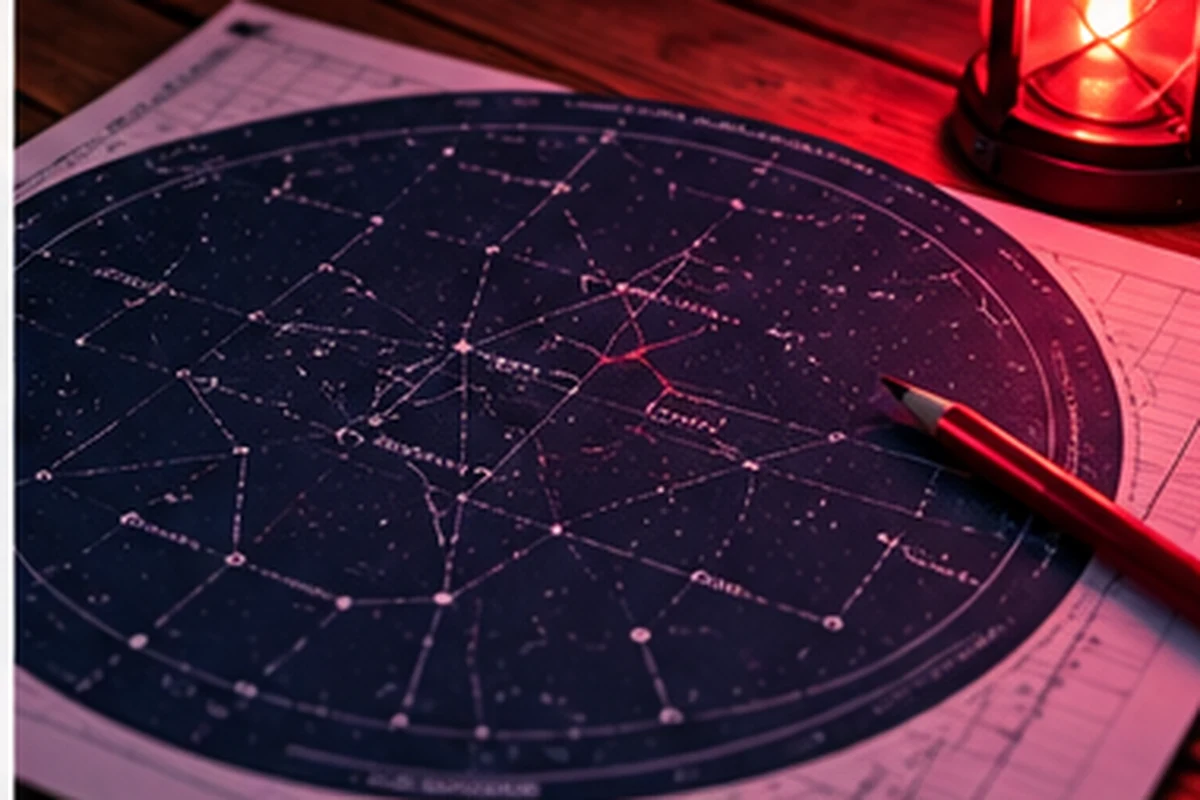
A planisphere is a rotating star wheel that shows which constellations are up on a given date and hour. A printed atlas goes deeper, with maps of the sky to browse. Neither needs a battery, and neither spoils dark adaptation the way a bright phone screen does. Planispheres are made for particular latitude ranges, so check the product description against where the person lives before you buy. A used chart or atlas is a sensible choice, since paper does not wear out the way electronics do.
Match the planisphere to the recipient's latitude. For atlases, check the edition and the page count in the description.
A seat that makes a long night comfortable
People who sit see more than people who stand and crane. A reclining or adjustable chair lets a beginner look at the high sky without a stiff neck, which matters with binoculars or the naked eye. Folding chairs made for astronomy exist, but a good camping recliner can also work. Our observing chair guide covers the height and stability points that matter. Check the folded size, the weight and how stable the legs feel on uneven ground.
Check the folded size and weight, and how stable the legs are on uneven ground, before you commit.
A book for cloudy nights
A beginner's astronomy book gives the person something to do when the weather is bad and teaches them what to look for when the sky clears. Look for a title that explains how to find constellations and bright planets by eye, with maps for the northern or southern hemisphere to suit the recipient. Used books are good value here. Read the description for the edition and the sky maps included, because dated editions can describe equipment and events that have moved on.
A way to get under a dark sky
Light pollution beats most gear. A camping night or a drive to a dark-sky site can do more for a stargazer than a gadget. Our U.S. dark-sky destinations list places to start. Make the gift a plan with a date, a spot, a thermos and a note on what will be up, and confirm access rules, weather and any permits before you set out.
Give them an astronomy club, not just a gadget
A local astronomy club is another gift that does not require buying a telescope. Clubs often hold public nights where members share their instruments, and looking through someone else's telescope is a good way to decide what to buy later. The astronomy clubs guide explains how to find and use one. If the club charges membership, check the terms before paying on someone's behalf.
It also helps a gift giver. Members tend to know what newcomers wish they had bought first, and they can tell you which accessories are worth waiting for. A short chat before you shop can save you from a return later.
Small extras that still fit the no-telescope rule
- A notebook and a pencil for logging what was seen and when.
- A blanket or insulated seat pad for ground that stays cold long after the day has warmed.
- A thermos or insulated mug for cold nights.
- A binocular strap or tripod adapter, only if the person already owns binoculars.
- A small zip pouch that keeps the light, the chart and the notebook together in one place.
How to put the gift together
Think about how the person will actually spend the evening, and choose the lead gift to match.
- The reader and planner will get the most from the atlas or planisphere and the book, so lead with those and add the light.
- The restless one who wants to be outside needs the chair, the light and a destination, since there is less to learn from a book than from a night under the sky.
- The social one is best served by a club visit or a dark-sky trip with friends, with a small kit to carry along.
Pair a red light with a planisphere and a note suggesting a clear evening. Add a book if the recipient likes to read. Together they make a complete first-night kit, and the person is ready for a telescope whenever they decide to buy one. Keep receipts in case the recipient prefers a different size or edition, and check each seller's return terms before ordering.
For a beginner without a telescope, a red light, a planisphere or star atlas, a comfortable chair and a beginner book work on the first night. Skip eyepieces, filters and other accessories that need a specific telescope, and add a plan to get under a dark sky.
Sources and verification
This guide quotes no prices, specifications or model compatibility. Confirm light modes and battery types on the product page, planisphere latitude ranges in the description, and the seller's return terms before ordering.
Frequently asked questions
What is a good gift for someone interested in astronomy but with no telescope?
A red headlamp or flashlight, a planisphere or star atlas, a comfortable reclining chair and a beginner astronomy book. All of them work without a telescope and stay useful if the person buys one later.
Should I buy a telescope as a gift for a beginner?
Only if you know the person will use it. Our telescope gift guide matches scope types to the person, and a first outing under a dark sky or a visit to an astronomy club is a lower-risk way to find out.
Which astronomy accessories should I avoid buying for a non-owner?
Eyepieces, filters, Barlow lenses, dew heaters, collimation tools and mounts. They depend on a specific telescope and cannot be used without one.
Do planispheres work everywhere?
No. They are made for particular latitude ranges, so check the product description against where the person lives.
Is a used book or chart a good gift?
Often yes. Paper charts and books do not wear out like electronics, but check the edition and the sky maps included.