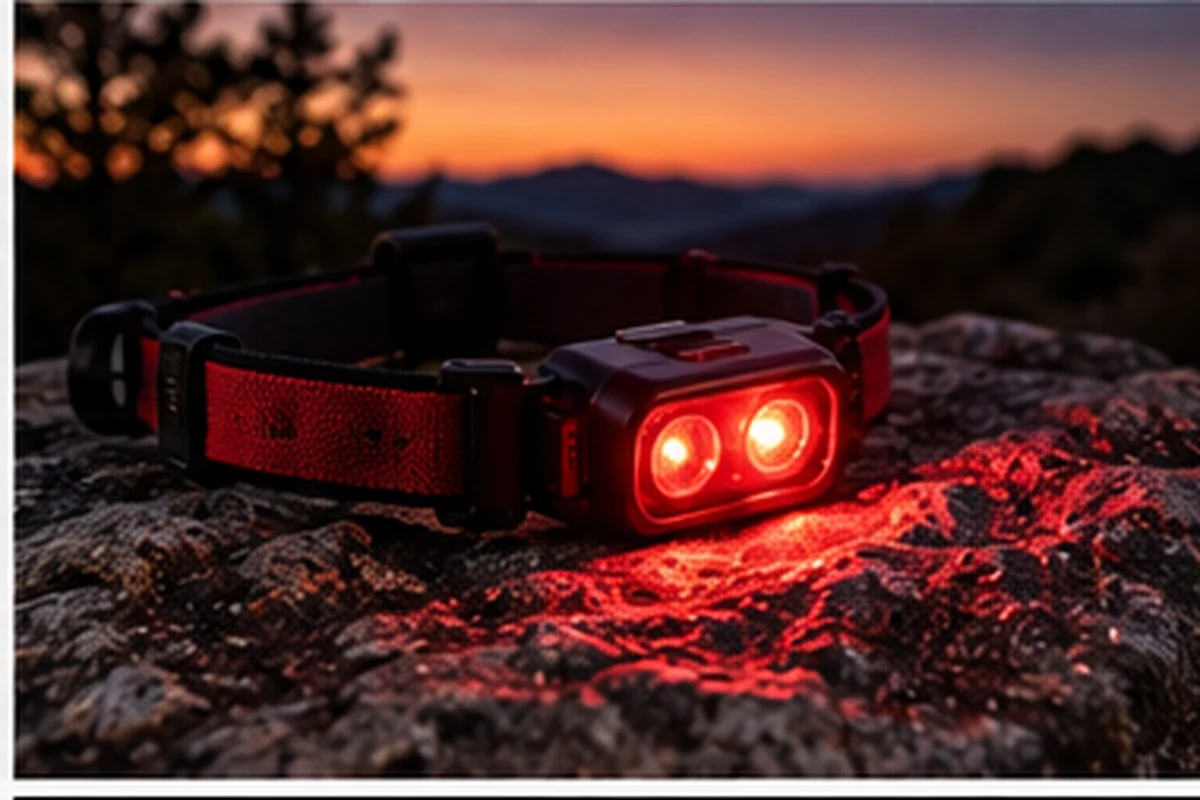
The best stocking stuffers for stargazers are small, light and not fussy about what they are used with: a red light, hand warmers, cable ties, an observing notebook, a remote shutter release for a camera. This guide sorts them by who will actually use them, so a visual observer, an imager and a casual stargazer each get something that works on the first clear night.
What makes a good stargazing stocking stuffer
Three tests keep the list honest. The item should fit any rig, so you do not need to know the telescope's barrel size, thread or mount. It should be small enough to fit in a stocking or a coat pocket. And it should be something people use every session, not a novelty that disappears into a drawer.
That rules out most optical parts. Eyepieces, filters and Barlows depend on a specific telescope, and bigger practical gifts belong in a different guide: our gifts for someone who already owns a telescope covers those and the checks that go with them. If the person does not own a telescope at all, start with gifts for stargazers who do not own a telescope yet.
| Gift | Who uses it | What to check before buying |
|---|---|---|
| Red clip-on or pocket light | Everyone | A red mode that turns on in red, a dim setting and the battery type |
| Hook-and-loop cable ties | Anyone with a powered mount, camera or dew heater | Length and width suit the cables; nothing to match to a model |
| Chemical or rechargeable hand warmers | Cold-weather observers | Package directions and where they are kept in a pocket |
| Observing notebook and pencil | Visual observers and beginners | Page size and whether it fits a coat pocket |
| Remote shutter release or intervalometer | Camera astrophotographers | The camera model and its release connection, per the camera manual |
| Gaffer or masking tape | Camera and lens users | Plain tape that peels off cleanly; not a repair for optics |
For the visual observer
A visual observer lives at the eyepiece, in the dark, usually in the cold. The most-used small item is a red light. A small clip-on or pocket light is cheaper to give than a headlamp and works for reading a chart or finding an eyepiece. Our red astronomy light guide explains what to look for, including a dim setting that keeps night vision intact.
Look for a red-on setting, a dim level and a battery type you can stock up on.
A notebook is the second staple. Logging the date, the sky conditions and what you saw builds a record that is more satisfying than any gadget, and a pencil works in the cold when pens may not. Add a spare pencil and an eraser to the stocking.
Spare batteries are the quiet gift that gets used. Cold weakens batteries, and a red light that dies halfway through a session is more annoying than one that was never given. Check which battery type the light takes, or buy the light and the batteries together so the match is certain. The same goes for any hand controller or accessory that runs on small cells: read the manual for the right type, and keep the spares in a warm pocket.
A small zip pouch or case for eyepieces is a useful gift if you know the person already owns more than one, because loose eyepieces get lost and scratched in the dark. Our eyepiece case guide covers the options. Check how many eyepieces the person owns and pick a size with room for one more.
For the astrophotographer
An imager spends hours at a rig that is full of cables. Hook-and-loop ties are the cheapest fix for tangles that snag on a moving mount. They also work on a tripod leg or a camera strap, and a handful in different lengths is never wasted. Our power hub and cable manager guide covers the bigger items, and the cable management guide explains the habits behind them.
Choose reusable ties in a few lengths. They do not need to match any particular gear.
If the person shoots with a camera, a remote shutter release or an intervalometer lets them take photos without touching the camera. The details differ by camera, so check the camera model against the product description and the camera's manual before buying. If you cannot find out the model without asking, skip this one or tuck a gift receipt in with it.
A roll of gaffer tape is another cheap, practical item. Tamron's beginner night-sky guide suggests taping the lens focus ring once focus has been set on a star, so it does not drift. Check the lens maker's instructions before putting anything on a lens barrel, and use tape that peels off cleanly.
For anyone who stands outside in winter
Cold hands end observing nights early. Hand warmers are a simple stocking item, and observers who use small knobs and buttons will appreciate a thin pair of gloves. Follow the package directions on any warmer, and keep it in a pocket instead of touching the telescope, the camera or a battery.
Check the package directions and the expected duration before you buy a multipack.
A small thermos or insulated mug is another all-weather gift, as is a pair of wool socks. They are not astronomy products, but a person who is warm stays outside longer.
Small items to leave out of the stocking
Some small things look like perfect stuffers and are not. Anything that must fit a particular thread or barrel size, such as a Bahtinov mask, filter or adapter, is a return waiting to happen unless you know the exact gear. Solar filters and eclipse viewers are safety items, not stocking stuffers: never look at the Sun through any optic without a certified solar filter from the maker over the front opening, and follow the maker's instructions. Our solar safety page explains why.
Optics cleaning items need care too. A rocket-style air blower is a gentle way to remove loose dust, but anything that touches a lens or mirror should follow the telescope or lens maker's cleaning instructions. If you are not sure, give a notebook instead.
How to put the stocking together
- Pick the person's type from the sections above and lead with their best item.
- Add one item for everyone: a red light, hand warmers or a notebook.
- Check batteries and package directions so the gift works the first night.
- Add a gift receipt where a model could differ, such as a remote release.
- Keep it small. Anything that does not fit in the stocking is a wrapped gift, so save bigger gear and any item that needs a gear check for that.
Pick small gifts that fit any rig: a red light, hook-and-loop cable ties, hand warmers, a notebook and, for a photographer, a remote release matched to the camera. Leave out anything that has to fit a specific barrel, thread or filter, and treat solar filters as safety items.
Sources and verification
- Tamron, a beginner's guide to night sky photography: the tip of securing the lens focus ring with tape after setting focus on a star; remote release or self-timer.
No prices, model names or compatibility claims are made. Confirm the release connection in the camera manual, battery types on the product page, and warmer directions on the package.
Frequently asked questions
What are good stocking stuffers for someone who stargazes?
A red light, hand warmers, hook-and-loop cable ties, an observing notebook and pencil, and, for photographers, a remote shutter release matched to their camera.
Which small astronomy gifts fit any telescope?
Red lights, notebooks, cable ties, hand warmers and tape fit any setup. Eyepieces, filters, Barlows and masks depend on a specific telescope, so skip them unless you know the gear.
Is a red light really worth giving?
Yes. A light with a red mode lets people read charts and find gear without losing their night vision, so it gets used every session.
Can I give a solar filter or eclipse glasses as a stocking stuffer?
Treat them as safety items, not stuffers. Never look at the Sun through any optic without a certified solar filter from the maker over the front opening, and follow the maker's instructions.
How do I pick a remote shutter release for a camera?
Match the camera model to the product description and check the camera manual for which releases it supports. If you cannot confirm the model, include a gift receipt.