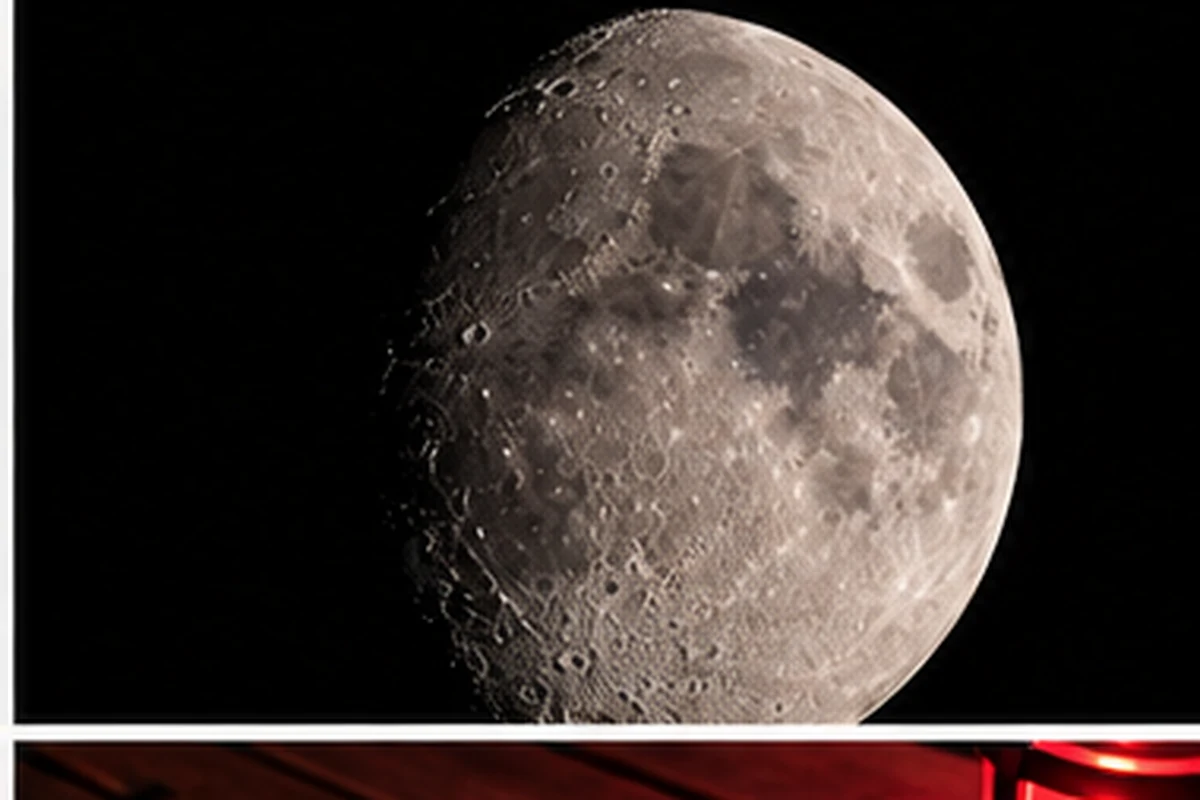
A compact telescope or a pair of binoculars works on a balcony; a big, heavy telescope on a tall mount usually does not. Aim for gear you can carry through the apartment in one trip, set on a sturdy table or low tripod and use for the Moon, planets and bright stars. Expect a partial sky, some vibration and a few rules about what you can put where.
What a balcony does to the view
A balcony limits you in four ways, and each one points toward certain gear. First, the sky is partial. The wall behind you, the overhang above and the rail in front cut off much of what you could see from a yard. Stand where you plan to observe and note which part of the sky is open, and which way the balcony faces, before you buy anything.
Second, the floor moves. Balconies are often light structures, and steps inside the apartment or on the balcony itself can shake a telescope. Third, buildings give off warm air that can blur the view as it rises past the open sky. Fourth, glare from windows, lamps and street lights competes with faint objects. None of this ruins the Moon, the brighter planets or bright double stars, but it does make dim nebulae and galaxies a poor target for this spot.
Our urban astronomy guide covers what a bright sky does to a hobby; a balcony adds the space problem on top.
Gear that copes with a balcony
Pick for portability and steadiness first, aperture second. The categories below fit small spaces well.
| Gear type | Why it suits a balcony | What to check |
|---|---|---|
| Tabletop telescope | Sits on a table, low, light and quick to move | The table is rigid and the telescope does not overhang its edge |
| Small refractor on a light tripod | Short tube, sealed optics, little upkeep | Tripod stiffness; the view should settle quickly after a touch |
| Compact catadioptric | Folded optics keep the tube short for the aperture | Weight, cool-down time and the mount it needs |
| Binoculars | Handheld, no setup, wide view | Weight; a tripod adapter helps for longer looks |
| Smart telescope | Self-aligns and shows images on a phone | Battery life, app needs and a clear view of your target |
Our tabletop telescope page explains the format, and smart telescope or classic telescope? weighs the trade-offs of app-driven gear. For the lightest and fastest option, start with astronomy binoculars and add a telescope later. If you are choosing between a refractor and a Dobsonian format, see refractor or Dobsonian as a first telescope.
Check the listing for the tube size, the included mount or base, and whether a table or tripod is needed.
A practical test is to ask what you want to see most. If the answer is the Moon and the bright planets, almost any compact setup will give you a good evening. If it is faint nebulae and galaxies, a balcony will frustrate you whatever you buy, and a trip to a darker site with the same gear is the better plan. Our Moon filter guide covers one cheap accessory that makes the brightest target easier on the eye.
Gear that usually does not work
A large Dobsonian is hard to carry up stairs and through a door, and it needs a floor that can take its weight. A heavy equatorial mount is a poor fit unless your balcony has a clear view of the part of the sky it must be aimed toward, and aligning one takes patience on a platform that moves. Very long tubes catch the wind and swing around.
Imaging gear is a harder sell too. Long exposures show every wobble and every bit of glare, so balcony astrophotography is best limited to the Moon and a few bright planets with a phone or small camera. Our stable mount guide explains why steadiness matters more than power.
Vibration and stability on a balcony
Because the floor can move, avoid putting the telescope on the rail or on a flimsy folding table. Set it on a solid surface or low tripod, and keep your steps away from it while you look. If the view shakes, wait a few seconds before judging it.
- Sit down to observe. A stool or chair lets you stay still instead of leaning on the rail or the telescope.
- Avoid touching the tube except to focus or nudge it, and let it settle.
- Keep the load low. A short tube on a low support is steadier than a tall tripod with the legs fully extended.
- Do not set equipment where it could fall. Nothing should sit on a rail or ledge where a gust or a knock could send it to the ground below.
- Check building rules about equipment, lighting and noise, and check with your landlord or building management if you are unsure.
Our guide to observing chairs explains what to look for in a seat that is comfortable and stable, and small enough to fit a balcony.
Carrying, storing and setting up
Keep the kit small enough to be a habit. If you can walk out, set the telescope down, let it settle and look within a few minutes, you will use it on short evenings. If setup feels like a project, you will wait for a perfect night that rarely comes.
The biggest obstacle on a balcony is often the hallway. Measure the doorways, the corners and the closet where the telescope will live. Gear that fits in one trip and lives in a closet gets used; one that needs assembling in three rooms does not. A padded bag helps, and a small tote holds eyepieces, a red light and a chart.
When you go from a warm apartment to a cold balcony, give the telescope time to match the outside air, and cover it again before bringing it back inside. Our winter guide on bringing a telescope indoors without condensation trouble covers the routine for the trip back in. The same habits apply on a small balcony.
Check the listing for the magnification and lens size, and decide whether you will want a tripod adapter.
Look for a stable seat that sets to the right height and folds small enough for the balcony.
A short checklist before you buy
- Find your open sky. Note which direction the balcony faces and what the overhang and walls block.
- Pick a format you can carry in one trip and store in a closet.
- Plan a rigid surface or low tripod, and a seat so you can stay still.
- Aim for the Moon, planets and bright doubles. Leave faint objects for a darker site.
- Read the seller's return terms and test the gear on the first clear night.
Choose compact, low and light: a tabletop telescope, small refractor, compact telescope or binoculars. Check which part of the sky your balcony can see, set the gear on something rigid, sit down to observe and keep your targets to the Moon, planets and bright stars. Never use any optic on the Sun without a certified maker filter.
Sources and verification
No specifications, weights or prices are quoted. Check the maker's page for the size and weight of any model you consider, the manual for setup and cold-weather care, and your lease or building rules for what is allowed on a balcony.
Frequently asked questions
Can I use a telescope on an apartment balcony?
Yes. Compact telescopes and binoculars suit a balcony well, especially for the Moon, planets and bright stars. Expect a partial sky and some vibration from the floor.
What is the best type of telescope for a small balcony?
A tabletop telescope, a small refractor, a compact folded-optics telescope or binoculars are the usual choices because they are light, short and quick to set up. Check the manual and the listing for size and weight.
Why does the view shake on my balcony?
Light balcony floors move when you step, and the telescope picks up that movement. A rigid surface or low tripod, a seat and a pause before looking help.
Can I take pictures of the night sky from a balcony?
Quick shots of the Moon and bright planets with a phone or small camera are practical. Long exposures show every vibration and every bit of glare, so they are harder.
Do I need permission to use a telescope on my balcony?
Some buildings have rules about equipment, lights or noise. Check your lease or ask building management if you are unsure.