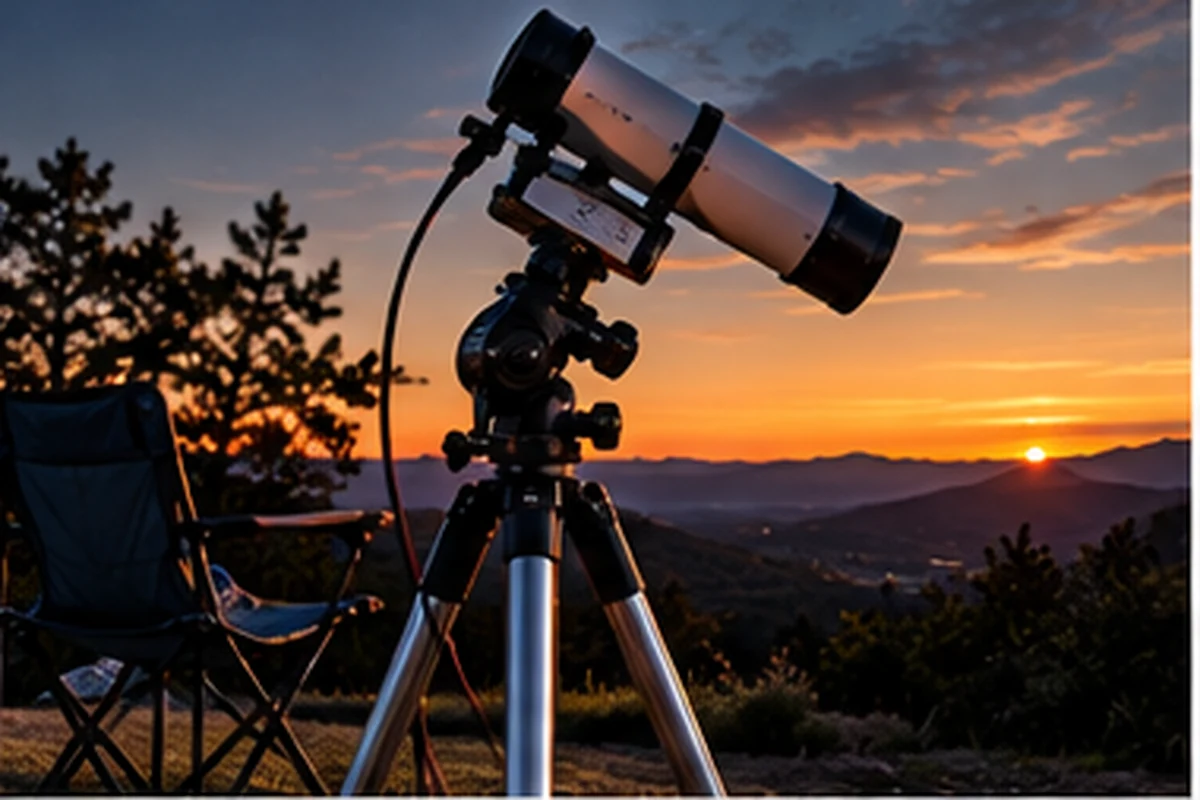
Cap the telescope, close it up in a case, bag or cover while it is still outside, and let it warm to room temperature before you open anything. Warm, humid indoor air condenses on cold glass and metal, and the time to prevent it is in the minute before you carry the gear through the door. This guide covers what happens after the session, when cold equipment meets a warm house, rather than dew forming while you observe.
Why cold gear fogs up the moment it comes inside
Air indoors usually holds more moisture than the air at an outdoor winter observing site. When that air touches a surface colder than the air around it, some of the moisture turns to water on the surface. A cold mirror, lens, eyepiece, tube or tripod brought into a warm room can collect a thin film of water within minutes, the same way a glass of ice water collects droplets in summer.
The result is not always dramatic, but it matters. Water on optics can leave marks as it dries, water on a mount or handset can reach connectors and circuit boards, and water sealed in a case can sit against the gear for days. The fix is not a gadget. It is a routine: keep the warm air away from the cold gear until the gear has caught up.
If dew is what is ending your sessions, our dew heater strap guide and the dew prevention guide cover the observing side. This page is about the trip inside.
A routine for coming indoors
- Power everything down and unplug cables, following your manual's shutdown steps. Do not move powered gear from the cold into a warm room.
- Cap the optics outside. Put the dust cap on the front of the tube, fit the cap on the focuser or diagonal, and take the eyepieces out and cap both ends. A closed optical path keeps room air away from cold glass.
- Cover or bag the telescope while it is still cold. A case, a bag or a cover puts a layer between the warm room and the gear. Condensation then forms on the outside of the case, not on the optics.
- Put the eyepieces in their case and close it. See our eyepiece case guide for what to look for.
- Carry it in and leave it closed. If you have an unheated hall, porch or garage, using it as a halfway stop gives the gear a gentler change in temperature.
- Wait until the case or cover feels at room temperature, then open it. Give it hours rather than minutes after a long, cold session.
- Uncover and let it air in a dry room away from direct heat. Leave the caps off while it dries, then cap everything again for storage.
These steps are common observing practice, not a manufacturer's specification. If your telescope's manual gives instructions for storage or temperature changes, follow the manual.
Tube design changes how much there is to protect. An open-tube reflector has its mirror exposed to the room air through the open end, so a cap and a cover matter a great deal. A telescope with a front lens or corrector plate has glass at the front that can fog on the outside. In every case the principle is the same: keep the warm air out until the temperatures match, and check the manual for anything specific to your model.
What each part needs
| Part | While still cold | After it is indoors |
|---|---|---|
| Mirror or lens | Keep capped and covered; do not wipe | Uncap only when the case feels room temperature; let it air dry |
| Eyepieces | Cap both ends and close the case | Open the case once it is warm; check the lenses are clear |
| Mount, handset and cables | Power down and disconnect | Let them dry fully before powering up; check connectors |
| Batteries | Remove if the manual allows | Keep them at room temperature, away from moisture |
| Tripod and metal parts | Wipe off visible droplets after they warm up | Leave extended to dry, then collapse |
| Camera and lenses | Seal in a bag or case if the maker allows | Follow the maker's guidance on warming up |
If fog or droplets show up anyway
Do not wipe wet optics. Rubbing a cloth across a damp lens or mirror can drag grit across the surface and can damage coatings. Leave the cover off in a dry room and let the water evaporate. If marks remain once it is dry, follow the telescope maker's cleaning instructions, or read our guide to cleaning telescope optics before you touch anything.
Avoid speeding things up with a hair dryer, radiator or other direct heat unless the maker recommends one. Rapid, uneven heating is not good for optics or electronics. Patience is cheaper.
For electronics, the rule is stricter. If a handset, controller or camera has been wet, wait until it is completely dry and at room temperature before powering it on, and read the manual's guidance on moisture. If you are not sure, ask the maker or a qualified repair person.
The mistake to avoid: sealing damp gear away
A closed case is protection when the telescope is cold and dry inside. It is a trap if you pack a telescope that is already damp. Do not seal a wet telescope or a wet eyepiece case away for weeks. Once the gear has warmed and dried, open the case so any trapped moisture can escape, then close it again for storage.
Some observers put silica gel packets in cases to take up moisture. They are inexpensive and easy to use, but follow the directions on the packet for replacement or drying, and do not treat them as a cure for gear that went in damp.
A case that fits closes cleanly and keeps room air off a cold tube. Check the inside dimensions against your tube and mount parts.
Match caps and covers to the tube or eyepiece sizes in your manual or on the gear itself.
Gear that makes the routine easier
You need very little. A padded telescope case or a fitted bag is the largest item, and caps for the tube, focuser and eyepieces are the cheapest. Used cases are common on marketplaces and can be good value when they fit and the seams are sound. A small bag of silica gel packs and a soft cloth for wiping the outside of the case once it has warmed are useful extras.
Check the packet directions and whether the packs can be dried and reused.
If the telescope lives in an unheated space between sessions, the thermal equilibrium guide explains how gear adjusts to temperature, and the same capped-and-closed habit applies when you carry it out for the next session.
Power down, cap every opening and close the gear in a case or cover while it is still cold. Carry it in, leave it closed until it reaches room temperature, then uncover it in a dry room. Do not wipe wet optics, and do not power on damp electronics.
Sources and verification
This guide makes no claims about temperatures, humidity levels or drying times. The routine describes common observing practice and is not a manufacturer's specification: follow your telescope, mount and camera manuals for cold-weather storage and warm-up, and the maker's instructions for cleaning optics.
Frequently asked questions
Why does my telescope get wet when I bring it inside?
Warm indoor air holds more moisture than cold outdoor air. When it touches cold glass or metal, the moisture condenses into water on the surface.
Should I leave my telescope capped when I bring it in?
Yes. Cap the tube, the focuser and the eyepieces outside, and close them in a case, bag or cover so warm air stays away from the cold optics until the gear has warmed up.
How long should I wait before opening the case?
Until the case or cover feels at room temperature. After a long cold session that can take hours, so give it time instead of opening it early.
Can I wipe condensation off a mirror or lens?
No. Let it dry in a dry room with the cover off. If marks remain, follow the maker's cleaning instructions before touching the surface.
Is it safe to turn on a handset or camera that got damp?
Not until it is completely dry and at room temperature. Follow the manual's guidance on moisture, and ask the maker or a qualified repair person if you are unsure.