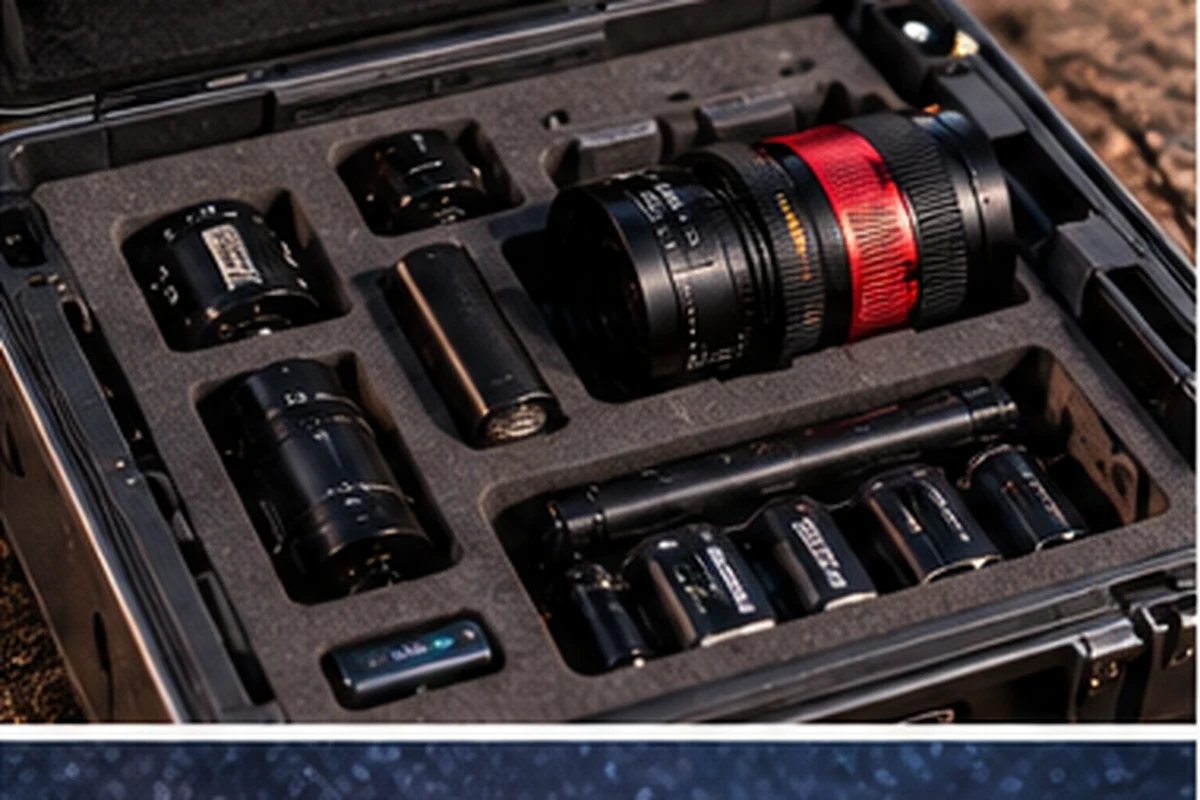
A cold garage or shed can hold a telescope tube and mount through the winter if you cap and cover the optics, keep damp and dust away, and bring the small, fragile and powered items indoors. Eyepieces, batteries, handsets and cameras are the first things to move. The cold itself is less of a problem than big swings in temperature and a damp room, which is why the routine below is mostly about moisture, covers and what to keep in the house.
What an unheated space does to equipment
A garage or shed has three habits that matter to gear. It swings in temperature more than a heated room, so surfaces cool and warm repeatedly. It can be damp, especially with a concrete floor or a car that comes in wet. And it is dusty, with insects, mice and the occasional bump from a bicycle or a ladder. None of these is a reason to leave a telescope in the cold. All of them are reasons to protect it.
Different parts react differently. Glass and mirrors need to stay clean and dry. Metal needs to stay free of moisture. Batteries and electronics are the most likely to complain about low temperatures, and manuals often give a storage range, so check yours. Where the manual gives guidance, follow it over anything on this page.
| Item | Leave in the shed? | Better approach |
|---|---|---|
| Telescope tube (reflector, refractor or compound) | Often yes, capped and covered | Cap every opening, cover it, keep it off the floor |
| Mount head and tripod | Often yes, if dry | Wipe off dust, keep covered, store off a wet floor |
| Dobsonian base | Often yes | Cover it, check the bearings before first use |
| Eyepieces, filters and diagonals | Better indoors | Keep them capped in a closed case in the house |
| Batteries, power banks and chargers | Better indoors | Store them as the maker's manual describes |
| Handsets, controllers and cameras | Better indoors | Keep them dry and at room temperature |
| Foam cases | Depends on the damp | Check for damp smell or marks, and air them out |
Protect the optics first
Put the dust cap on the front of the tube, cap the focuser or fit its plug, and take the eyepieces out. A closed tube keeps dust, insects and damp air from reaching the glass. If your telescope is an open-tube reflector, treat the open end as the weak point and cover it well. Make sure nothing rests on the optics and that a cover cannot be knocked loose.
If you buy a used telescope, check the optics for fungus, coating damage and cleaning marks before you commit, because storage history is part of what you are buying. Our used telescope inspection guide lists the checks, and the used Dobsonian checklist is the shorter version.
Do not wipe or clean optics just before putting them away. If you must clean them, follow the telescope maker's instructions. Our guide to cleaning telescope optics covers when not to clean at all.
Protect the mount, the electronics and the battery
Metal parts are best stored dry. If you have been out on a damp night, bring the mount indoors to dry before it goes into the shed, as our condensation guide describes. Do not coat parts with oil or grease unless the manual calls for it. Mounts are built with specific lubricants, and the wrong product can attract dust or stiffen in the cold.
Take batteries out of handsets and mounts if the manual allows, and keep them indoors. Larger battery packs and power stations are made to a maker's storage guidance, so read it before leaving one in a garage. Our portable power station guide covers what to check. Keep handsets and cables in a labelled box in the house so they stay dry and do not go missing.
Set up the space
- Get it off the floor. A shelf, a platform or a sturdy cart keeps gear clear of damp concrete and puddles.
- Use a cover that fits. A fitted, breathable cover keeps dust off. Avoid wrapping a telescope tightly in plastic, which can trap damp air against it.
- Keep it out of direct sun. Light through a window can warm a tube unevenly.
- Keep chemicals and fuel away. Fumes and spills do not belong near optics or foam.
- Secure the space. A lock helps, and our insurance guide covers records for valuable gear.
- Add a small thermometer and humidity gauge so you can see what the space really does.
Large tubes and Dobsonians
A big tube or a Dobsonian is awkward to move, so store it where you can reach it without lifting it over other things. Keep the path clear and the base on a firm, level spot. Check the manual for whether the maker prefers the tube stored upright or lying down, and use a second person for heavy lifts. The less you have to shuffle gear around a cluttered garage, the less chance of knocks and dropped parts.
Pests and hard cases
Mice and insects like foam, cloth covers and warm gaps. A hard case or a lidded storage bin with the gear inside keeps them out better than an open shelf. Check the seals, and do not leave food or bird seed in the same space. If you find signs of nesting, clear them out and look closely at the gear before it goes back into use.
A cheap gauge tells you whether the shed stays damp. Check the reading range and the battery type.
Match the cover to the tube and mount, and check the inside dimensions of any case.
Check on it, then wake it up carefully
Look in on the gear once a month in winter. Check for damp, mouse droppings, stuck caps and anything that has moved. Open a case to let it air if you smell dampness. Keep a short note of the date and what you found, taped inside a case lid, so slow changes such as a spreading damp patch or a stiffer axis show up over time instead of going unnoticed until spring. A bag of silica gel in a closed eyepiece case is cheap and easy to replace, though it will not fix gear that went in damp.
Follow the packet directions for drying or replacing them.
Before the first session after storage, bring the gear indoors for a dry run. Let a cold tube warm up with its caps on, then inspect the optics, check that the mount's axes move smoothly and that the cables and handset work, and test any electronics at room temperature. Reflectors may need a collimation check after any move: see our collimation guide. Our telescope case guide and eyepiece case guide cover the hard cases that protect the gear when you carry it in and out.
Cap and cover the optics, keep gear off damp floors and bring eyepieces, batteries, handsets and cameras indoors. Check in monthly, and do a dry run indoors before the first session after storage.
Sources and verification
This guide gives no temperature ranges, humidity targets or lubricant recommendations, because they differ by telescope, mount and battery. Check the manuals for storage temperatures and care, and the maker's instructions for cleaning optics.
Frequently asked questions
Can I store a telescope in a cold garage?
Often yes, if the optics are capped and covered, the space is dry and you keep batteries, eyepieces and electronics indoors. Check your telescope and mount manuals for any storage guidance.
Is the cold or the damp worse for a telescope?
Damp and big temperature swings are usually the bigger concern, because condensation can form on optics and metal. Keep the gear dry, capped and covered.
Should I leave eyepieces in the garage?
Keep them indoors in a closed, capped case. They are small, easy to carry and sensitive to damp.
What should I do before using the telescope after winter storage?
Bring it indoors for a check. Let it warm up capped, inspect the optics, test the mount and the electronics, and check collimation if it is a reflector.
Should I wrap a telescope in plastic for storage?
Avoid wrapping it tightly in plastic, which can trap damp air. A fitted, breathable cover is usually better, but follow your manual.